Spiritual Roots and Breathtaking Architecture
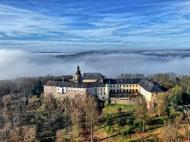
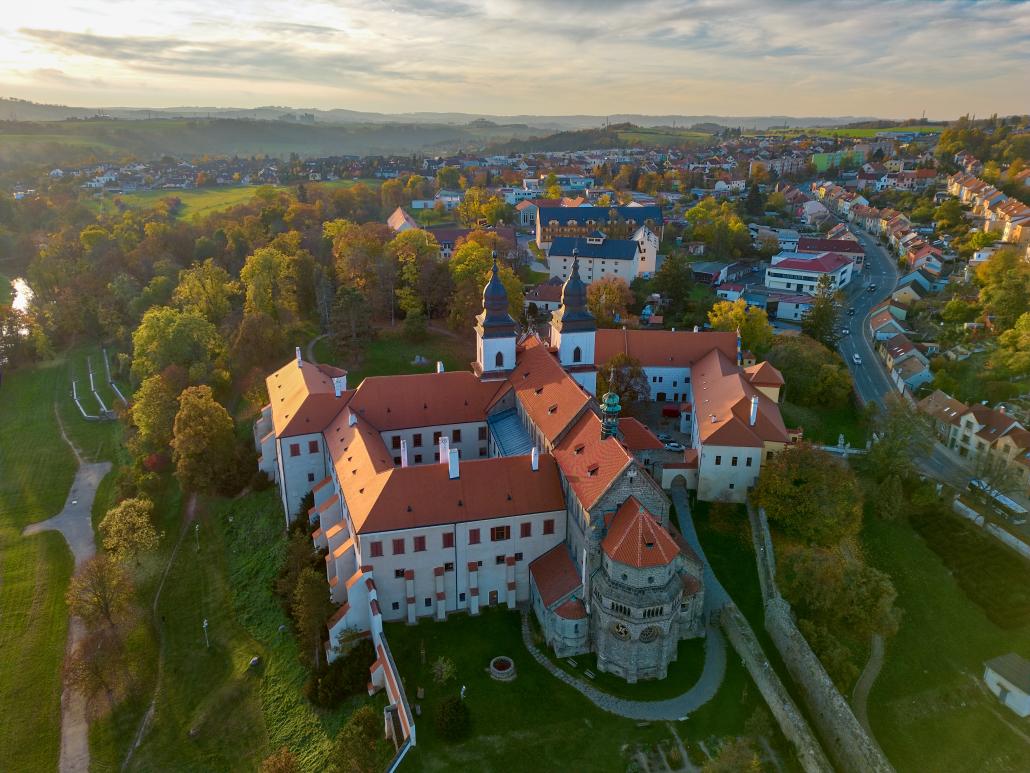
The journey through time begins in 1101, when the Moravian Přemyslids founded a Benedictine monastery that became the cornerstone of the entire town. Its heart is the monumental Basilica of St. Procopius, an architectural gem that surpasses the borders of the Czech lands in size and significance. During your visit, you will be amazed primarily by the mystical crypt with its original octagonal vault and granite columns, which originally served as the tomb of the abbots. Equally fascinating is the entrance portal, the northern entrance adorned with rich geometric and plant decorations, representing one of the most beautiful examples of Romanesque style in Central Europe. Moreover, the entire church bears a significant Baroque imprint from the famous builder F. M. Kaňka, who sensitively restored the damaged structure in the 18th century and breathed an unforgettable atmosphere of Baroque Gothic into it.
Stories of People and Destinies in the Castle Spaces
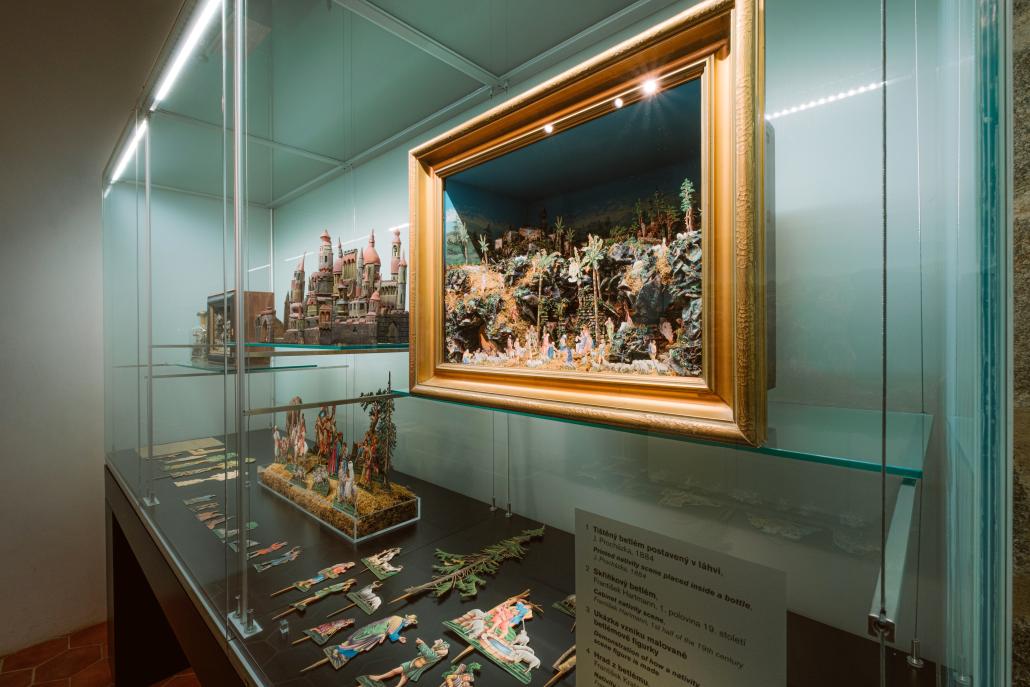
Right next to the basilica lies a castle that was created by reconstructing the original monastery cloister and now serves as the seat of the Vysočina Museum. The museum offers a modern and interactive view of the region's history. While the exhibition "Paths Through Time," located in the outer castle area, allows visitors to playfully peek under the lid of medieval builders, the museum routes tell the stories of the Třebíč region through unique collections of nativity scenes, ceramics, and rare Moravian moldavite. The adjacent herb garden offers tranquility and education, directly connecting to the ancient tradition of Benedictine monastic medicine.
The Jewish Quarter: A European Unique and Touching Testimony
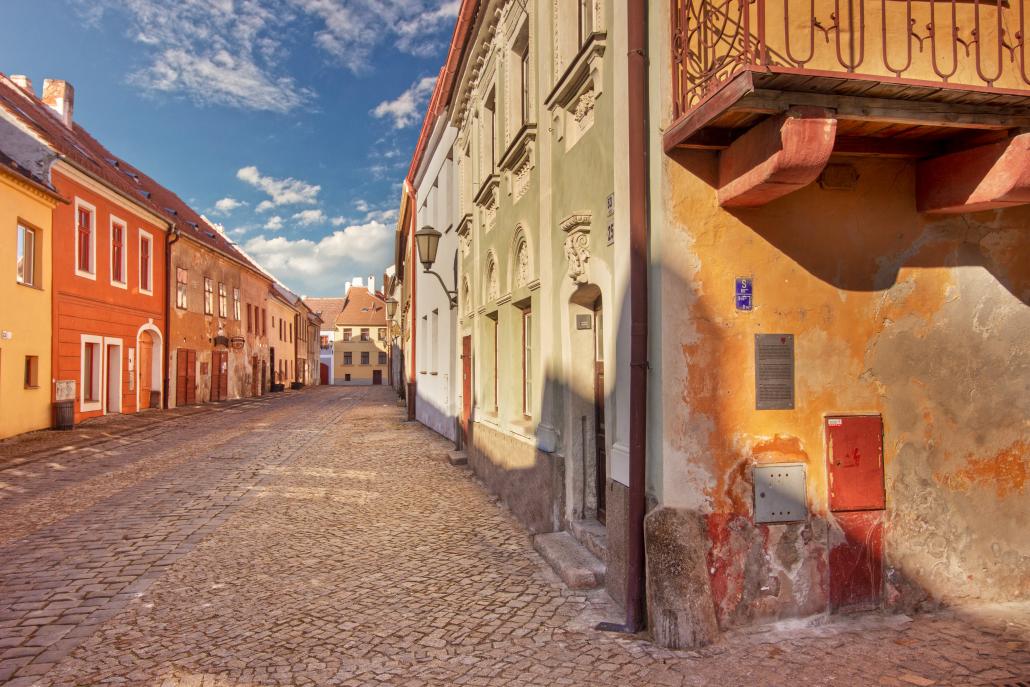
It is just a few steps from the Christian complex to the Jewish quarter, which is a European unique – as the first ghetto outside Israel, it was listed on the UNESCO World Heritage List independently. A walk through the streets of Blahoslavova and Leopold Pokorný will transport you to another world, dominated by the Rear Synagogue. Its interior hides one of the most beautiful Baroque paintings in Moravia, depicting biblical scenes and liturgical texts. Right next to the synagogue stands the House of Seligmann Bauer, where you will find an authentic exhibition of Jewish living during the interwar period. You can peek into a grocery store on the ground floor or a kitchen with a bedroom upstairs.
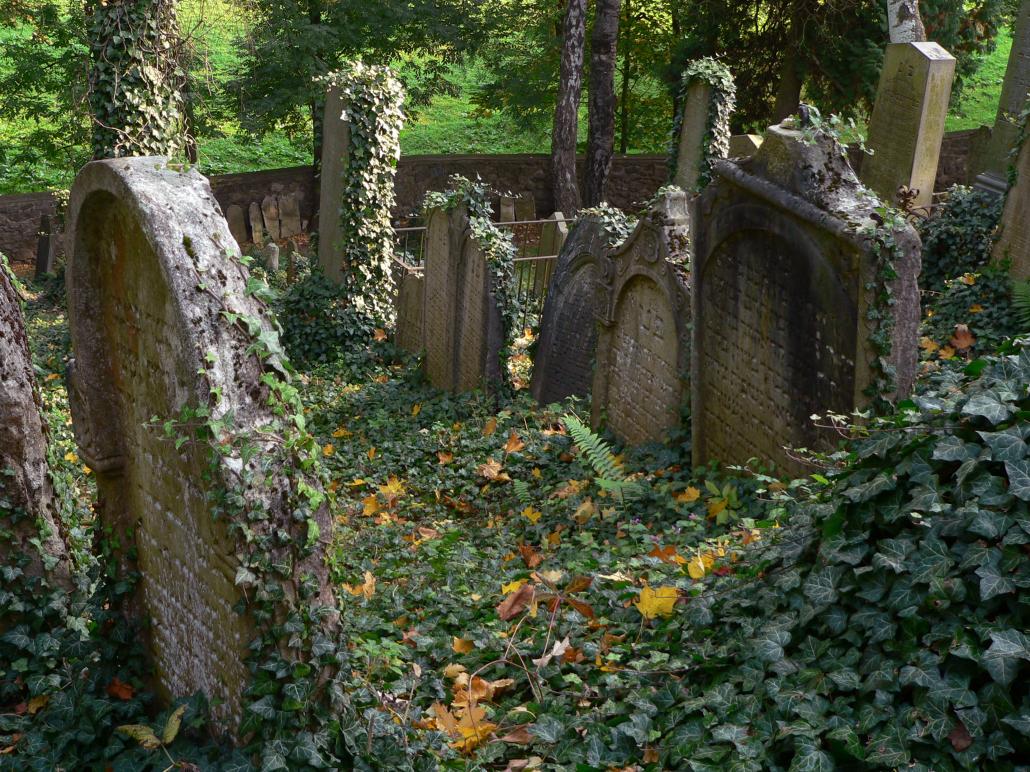
However, Třebíč's history is also connected with great heroism. The Antonín Kalina Memorial Hall in the Jewish quarter is a touching tribute to a local native who, as a prisoner in the Buchenwald concentration camp, managed to save the lives of more than nine hundred Jewish children. The entire story of the community is concluded by a visit to the Jewish cemetery, which, with an area of over 11,000 m2, is one of the largest in the Czech Republic and offers a view of Baroque tombstones with mysterious symbolism.
Technical Wonders and the Largest Clock in the Country
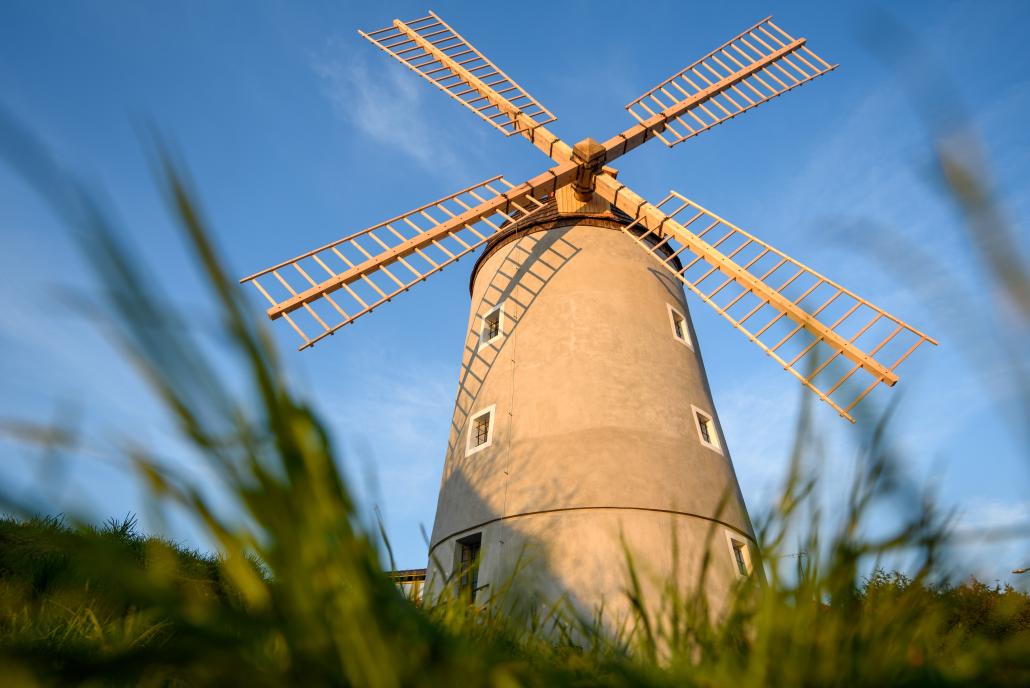
The city also boasts technical wonders that cannot be found elsewhere in the republic. A true rarity is the windmill at Kanciborek, a Dutch-type structure that never ground grain but served to crush pine bark into chips for the local tanners. Another unique feature is the water tower at Kostelíček from 1935, which has been transformed into an observation tower with an exhibition on water supply. From its top, there is a breathtaking view of the city, dominated by the 75-meter-high Town Tower at St. Martin's Church. This tower itself is worth the climb, as at a height of 35 meters, you can closely observe the largest tower clock in the Czech Republic with a dial measuring 5.5 meters in diameter.
Excursions Beyond the Horizon and the Historical Center
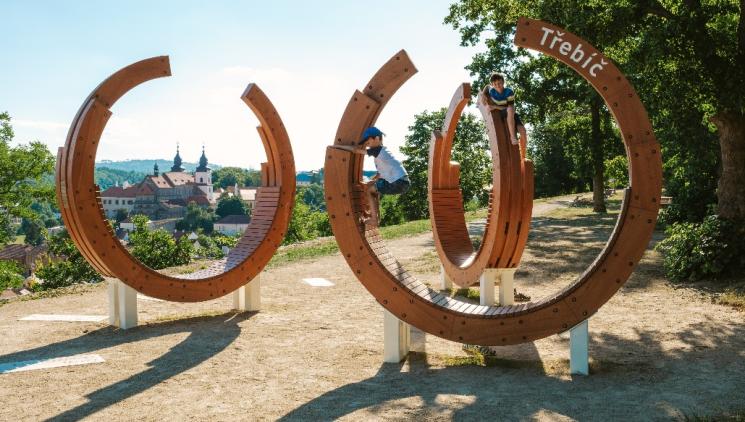
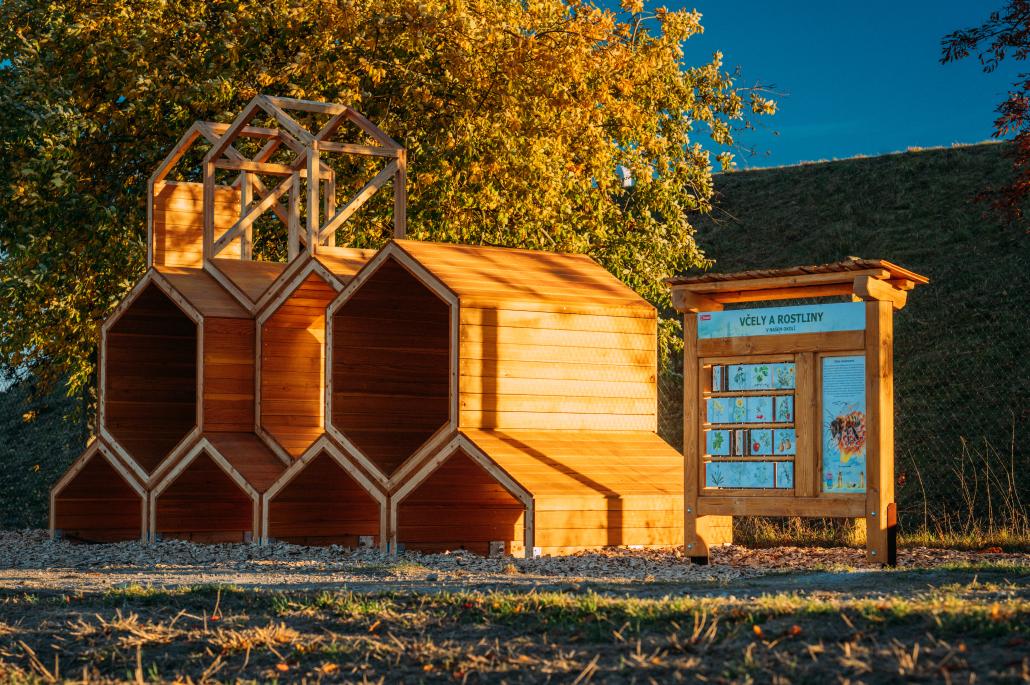
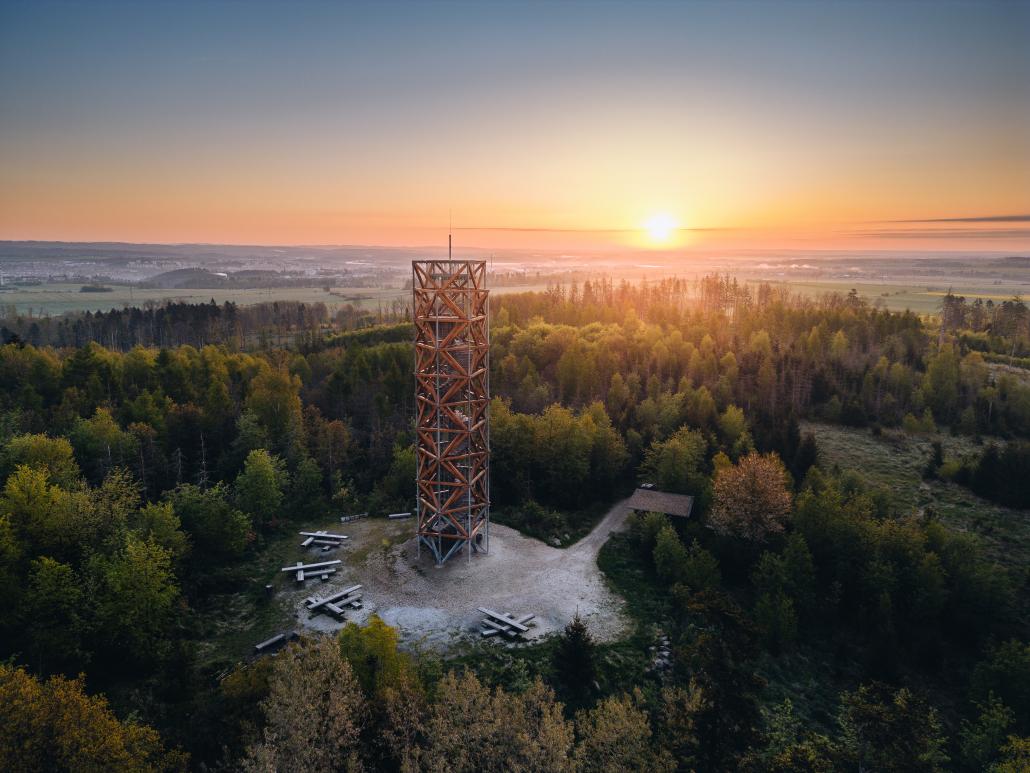
If you are more attracted to nature and modern architecture, head a little beyond the city to Hell Hill. The local observation tower cleverly connects both faces of Třebíč with its design – its footprint and construction resemble a combination of a Christian cross and the Star of David. The popular educational trail to Hell Hill will lead you to the tower. The path is an ideal destination for a family trip, as it is lined with interactive stops and educational elements that entertain both children and adults. While ascending through the pleasant landscape, you will learn interesting facts about the local fauna and flora thanks to the information panels. The entire route is sensitively integrated into nature and offers perfect relaxation just a few minutes from the historical center.
Upon returning to the center, don't forget to stop at Karlovo náměstí, which, with an area of 2.2 ha, is one of the largest in the republic. Here you can admire the Painted House with its sgraffito decoration.
Třebíč on a Plate: From Soda to Whisky
The conclusion of your trip should be dedicated to typical Třebíč flavors. You can try the traditional ZON soda, which has been produced here since 1879. Or you can taste high-quality whisky even in ritual kosher quality. The production continues the original Jewish distilling tradition that took place in the heart of the Jewish town in Třebíč for centuries - the small-scale production company Thomas Dyntar distiller. Beer lovers will surely appreciate the FENEK microbrewery, producing craft beers of many styles with an emphasis on quality and diversity, located in the building of a historical distillery, where you can enjoy honest beer with a view of the basilica. Třebíč is simply a city where history comes alive not only in museums but in every alley, garden, and surrounding landscape.

Come and see for yourself the unique charm of Třebíč and let yourself be absorbed by the atmosphere of a place where UNESCO world heritage meets the hospitable soul of the city of Třebíč!
For more information, visit www.visittrebic.eu.