
You will learn the real difference between loose leaf and bagged tea, why modern "pyramids" are an ecological trap, and how to enjoy tea even without complicated rituals – simply from your favorite mug at the computer. Immerse yourself in a world where quality meets sustainability and where every box tells the story of a specific harvest.
How did the idea for Tea Boxes come about and what was the main impulse for establishing the brand?
I used to work in multinational companies and was quite happy there. But then I tried surfing for the first time, and I was so captivated that I wanted to enjoy the waves for more than 5 weeks a year. I even tried living by the ocean, thinking I would stay there, but after about 2 years of traveling, I realized that home is here, and that I "had no choice" but to find a way to have a "base" in the Czech Republic and then "jump" somewhere to the ocean for 3 months a year. That was my main motivation for starting a business. Thanks to my previous food & travel project Authentic World Food, I was familiar with different forms of "food subscription," like beer or wine. Since I enjoy both and know a bit about wine because I studied viticulture at horticultural school, I considered doing a similar project with wine. But then I thought that wine is heavy, takes up a lot of space, and is easily breakable during transport… and since I was enjoying visiting tea houses and liked tea, I opted for a tea subscription, and that’s how Tea Boxes were born. However, a monthly subscription wouldn't allow me to travel much, so I came up with a clever solution :) Simply, it would be a subscription based on the seasons. That is, I would send out the boxes only on the first day of spring, summer, autumn… I would prepare everything a few days in advance and spend the rest of the time traveling and surfing :D It wasn't enough to sustain me, so I then added an online shop with loose teas of my own selection, as I managed to establish a partnership with a social enterprise that took care of regular order shipments, allowing me to work remotely.
What criteria do you use to select teas for your collections?
I primarily select individual teas based on taste and, of course, price. I always imagine whether a particular tea would be okay for me as a customer at that price. And if I'm buying something that I find really interesting but the price is quite high, I only buy a little and test how customers react to it. Sometimes it surprises me myself. Like now with a limited edition from the spring harvest of Darjeeling – the most expensive tea I’ve ever had on the shop. I've had it for a week, and half of it is already gone.
For the boxes (seasonal subscriptions), I choose so that each box is diverse, that the teas are flavor-wise different from the previous boxes, and that the selection fits the given season. So for spring and summer, I choose refreshing teas, more green and white or lightly roasted oolongs, as they cool the body, while for autumn and winter, I prefer darker teas, as they warm the body.
Do you collaborate directly with farms or suppliers? How does the selection of a specific harvest work?
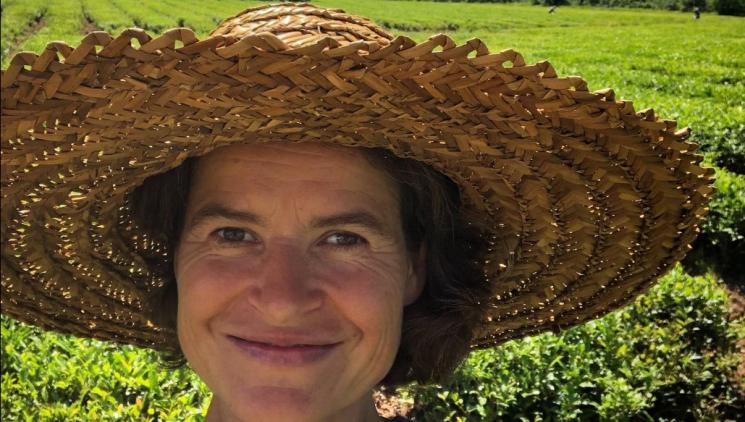
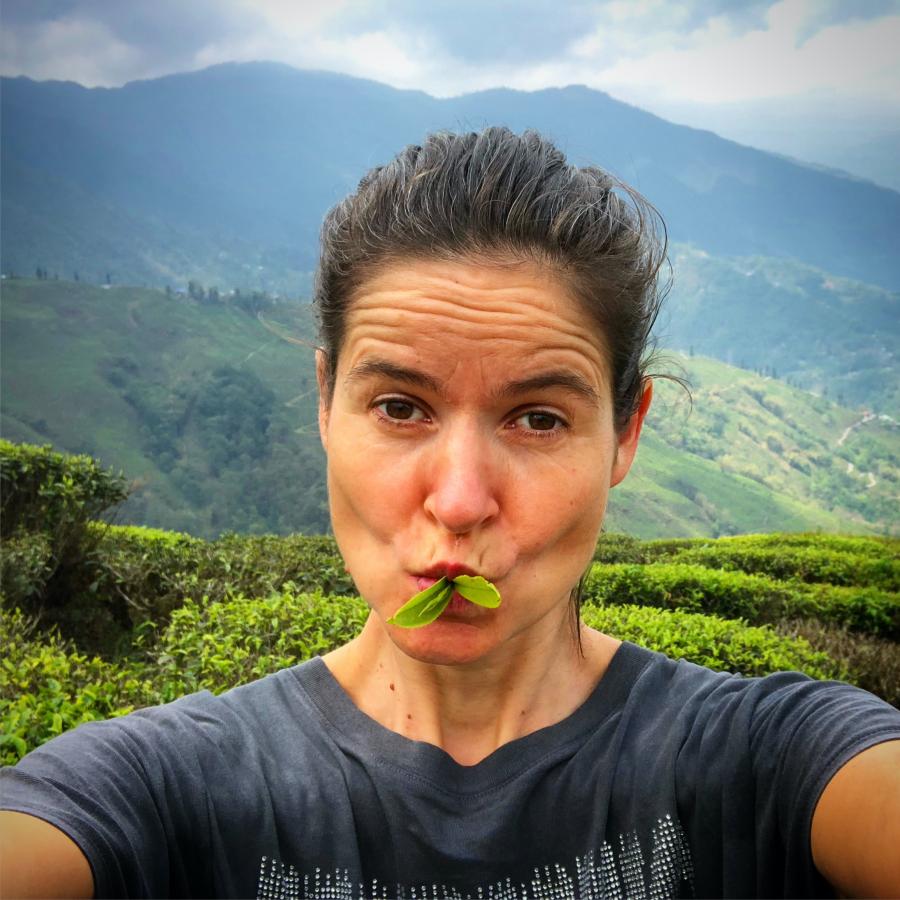
More and more, I buy teas directly from farmers I meet on my travels, which I usually plan as half surf and half tea expedition.
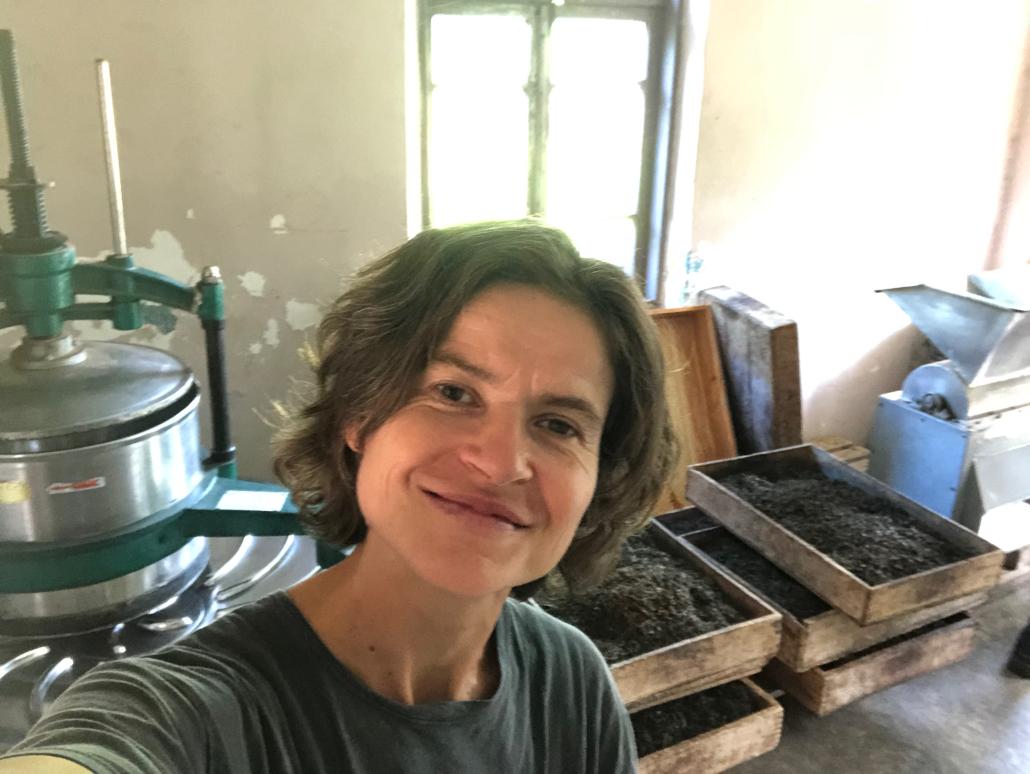
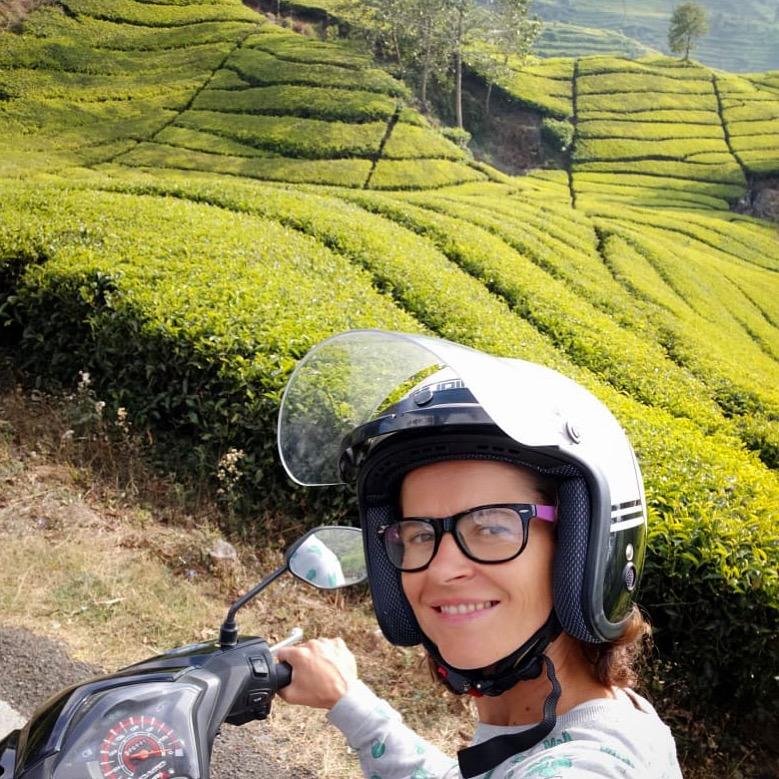
I visit tea farmers quite punk-style. They often don't understand when I show up in their mountains after having traveled 200 km on a scooter along a route that could often be categorized as hardcore. And I'm alone. They are used to whole groups, for example, of Japanese tea traders with an interpreter or at least a local tea guide. The farmers' English is usually quite poor, so we often "chat" for hours or longer through a translator. This is the greatest lesson in patience ever. And the misunderstandings are plentiful, which probably doesn't need further elaboration.
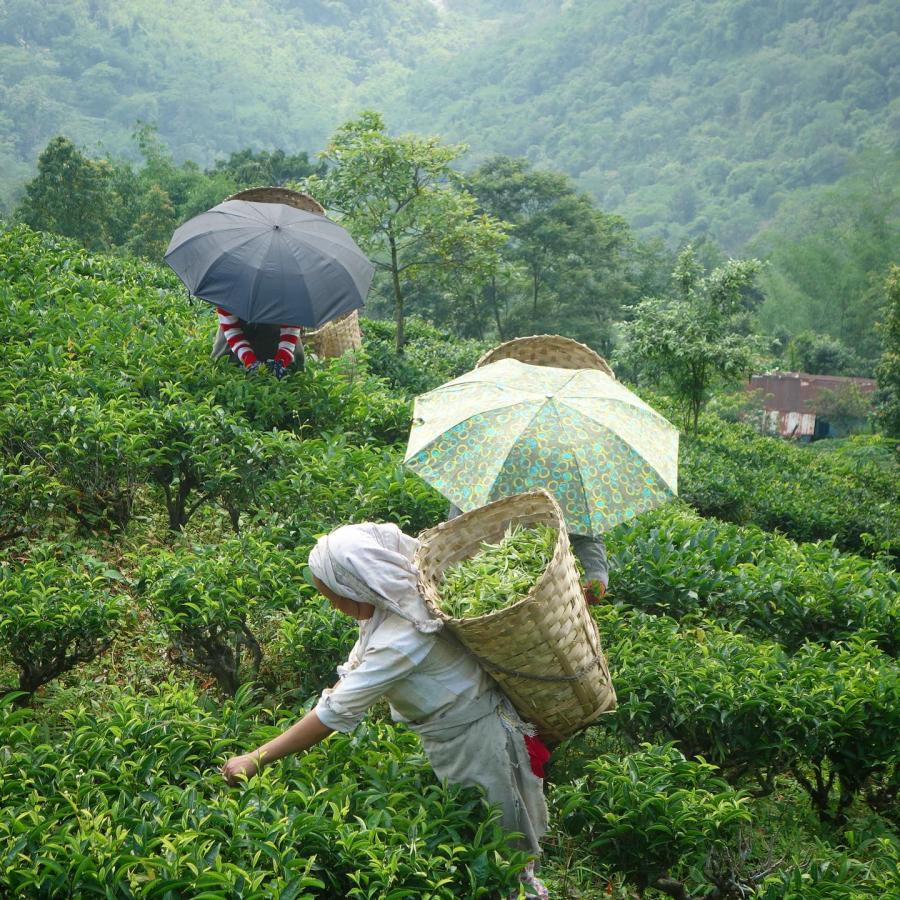
On-site, I taste a lot and select what seems interesting to me, and I buy that. I also discuss with the farmers what type/flavor profile could appeal to my customers so they know for future years when the business will be conducted "remotely." So I give them honest feedback during tastings about why this tea works and why that one doesn't. I might even pass them some samples of teas from elsewhere that I enjoyed, so they have a better idea of what I want.
What is the difference between regular tea from the store and premium loose leaf tea?
If you're talking about bagged tea, there are many differences. The short answer, and everything works in favor of loose tea, is: taste, health, ecology.
The material used for the bags may pass official safety standards, but there are many microplastics or other substances that are not completely healthy, especially when in contact with hot water. Whether we are talking about the "seal" areas of the bag, added substances to paper bags to prevent them from tearing in water, or the nylon from which the so-called pyramids are made. More and more companies are now replacing that nylon with "eco-plastics" made from corn starch and such. This is okay from a health perspective (although there are certain speculations here too), but ecologically it’s only half right. They are only industrially compostable, meaning under special conditions. If you just throw them into compost and dig them out after 2 years, nothing will happen to them. And when it comes to waste, from 50 g of loose tea, there’s only 1 bag left. From bagged tea, you get a box + 25 or so small bags.
In terms of taste, the bagged tea aims primarily to quickly color the water, give it a strong flavor, and not have much happen if it over-brews. This is mainly fulfilled by tea "dust." Previously, it was obtained during the sorting of whole-leaf quality teas. Imagine 4 large shaking sieves stacked on top of each other, with the top sieve having the largest holes, and the lower the smaller the holes. Dried tea leaves are poured onto the top sieve. Whole small or even smaller pieces fall through to lower levels according to size. And those from the two bottom layers go into the bags. The teas from the top sieve are flavor-wise more delicate, much less (or not at all) astringent, and thus various interesting flavor notes, such as flowers, fruits, bitter chocolate, caramel, etc., stand out, while from the lower sieve, you mainly feel that astringency. However, tea for bagged teas is usually produced by grinding the leaves directly into small pieces.
At first glance, it might be added that price works in favor of bagged tea. But it should be realized that it is a completely different kind of tea. If the same tea of the same weight were put into bags, and the same tea were sold in loose form, the loose one would obviously be cheaper, as the costs for the material and labor associated with bagging would be eliminated.
Do you have a personal favorite that everyone should try?
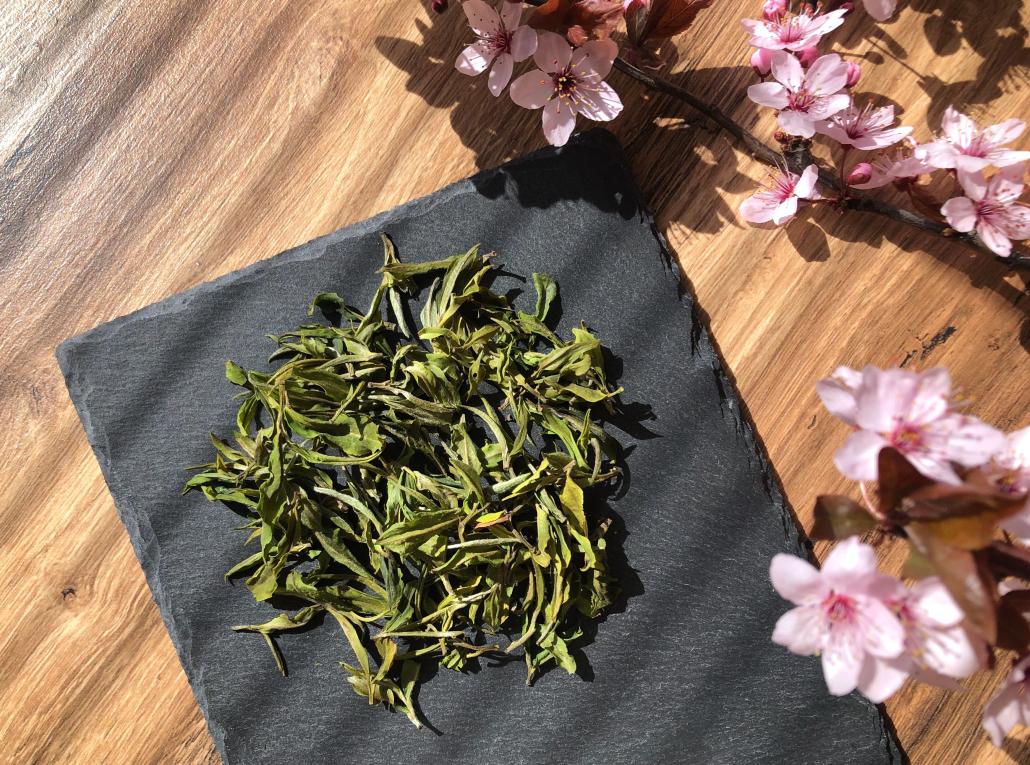
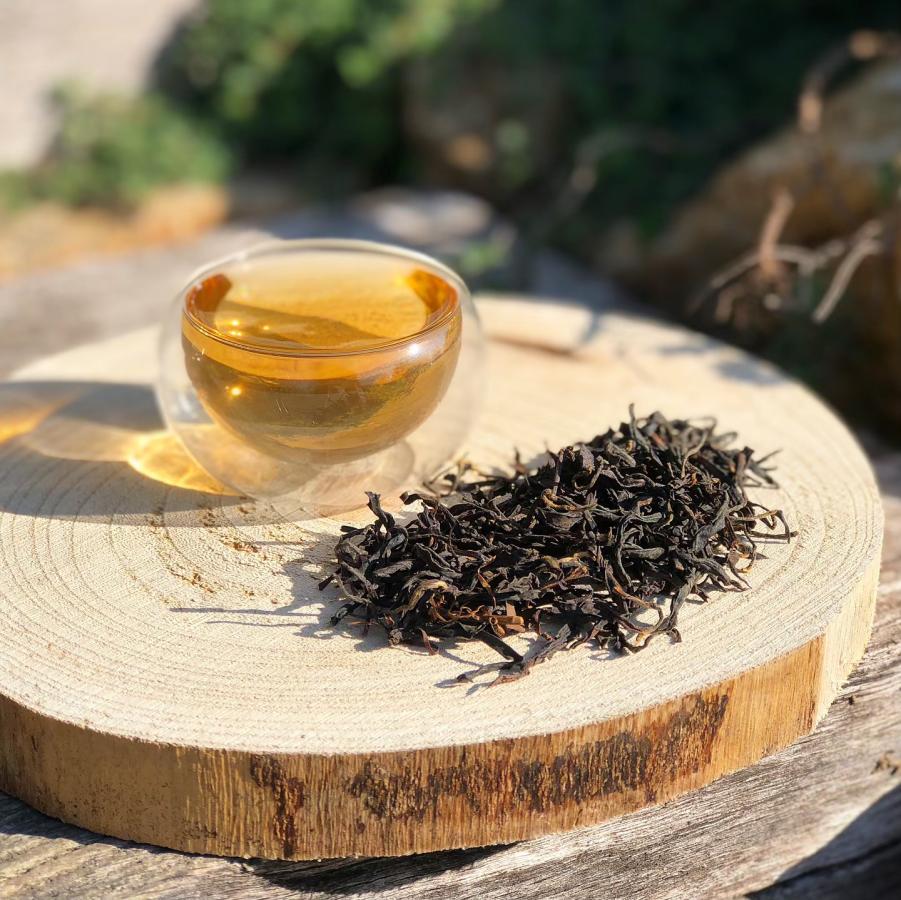
It's hard to say. Everyone likes something different. Personally, I am completely crazy about this year's fresh harvest of Emerald Fish hook. It’s from Vietnam from a small family farm that I visited last year, and every lover of Japanese green teas should try it, and I think they would be surprised that such tea can come from Vietnam. It’s refreshing, sweet with notes of freshly cut grass, seaweed, umami, flowers, and young green beans with a creamy texture. I've already received great reviews about it, and it offers a fantastic price-to-performance ratio. Then there’s a very exclusive delicacy, Darjeeling Phuguri EX-01 from a very limited edition (only 5 kg were produced) from tea leaves that sprouted even before the first official harvest on February 4, 2026. It’s like a spring stream - refreshing, sweet with notes of jasmine, citrus, mango, and lily. It’s a very festive drink. Among black teas, Kenya has pleasantly surprised me this year – for example, Kenya Buffalo horn. The tea is bold with interesting notes of flowers, bitter chocolate, and so on. I would say it has surprisingly high quality for low Kenyan prices.
The only thing that I think everyone should try is the method of cold brew (maceration), which is currently more commonly associated with coffee. That is, pouring tea with cold water. It does take longer to brew, but thanks to the cold water, it becomes sweeter, and all the floral, fruity, and other delicate notes stand out much more. It’s especially ideal for light teas. That is white, green, green oolongs, Darjeeling from the spring harvest... Personally, I find that many teas taste even better cold than in the hot version.
In your opinion, what distinguishes truly quality loose leaf tea from the regular offerings in supermarkets?
When I occasionally skim through, it’s just those basic teas in basic quality. The leaves are machine-harvested, and older leaves and chopped twigs will prevail, while for most quality teas, only the youngest leaves are harvested (often by hand), which contain more flavor.
Just the fact that it’s in supermarkets means it can’t be some small production where the farmer does it with heart, "heaven forbid" by hand, so it’s a classic mass product that the supplier is able to produce in the quantities needed for the chains (usually not only for the Czech Republic but also for other countries) and supply the same model for many years. The label will tell you the country of origin, occasionally a specific area, but the name of the tea garden will be hard to find. There can be no talk of fresh harvests and certainly not of any limited editions. And all of this goes hand in hand with taste.
I would compare it to wine. Tea in supermarkets is table wine, in the better case quality wine, while quality loose leaf tea from a specialized shop is cabinet, late harvest, selection of grapes, selection of berries... Tea even has its own "ice wine," the so-called frost tea, which often comes from India from Nilgiris at an altitude of around 2000 meters. It’s made from young leaves from the winter period that have undergone a light frost. Tea from them is then sweeter because, just as animals insulate themselves against the cold with fat, tea defends itself with sugar.
How important is packaging design and the overall visual impression of the product to you?
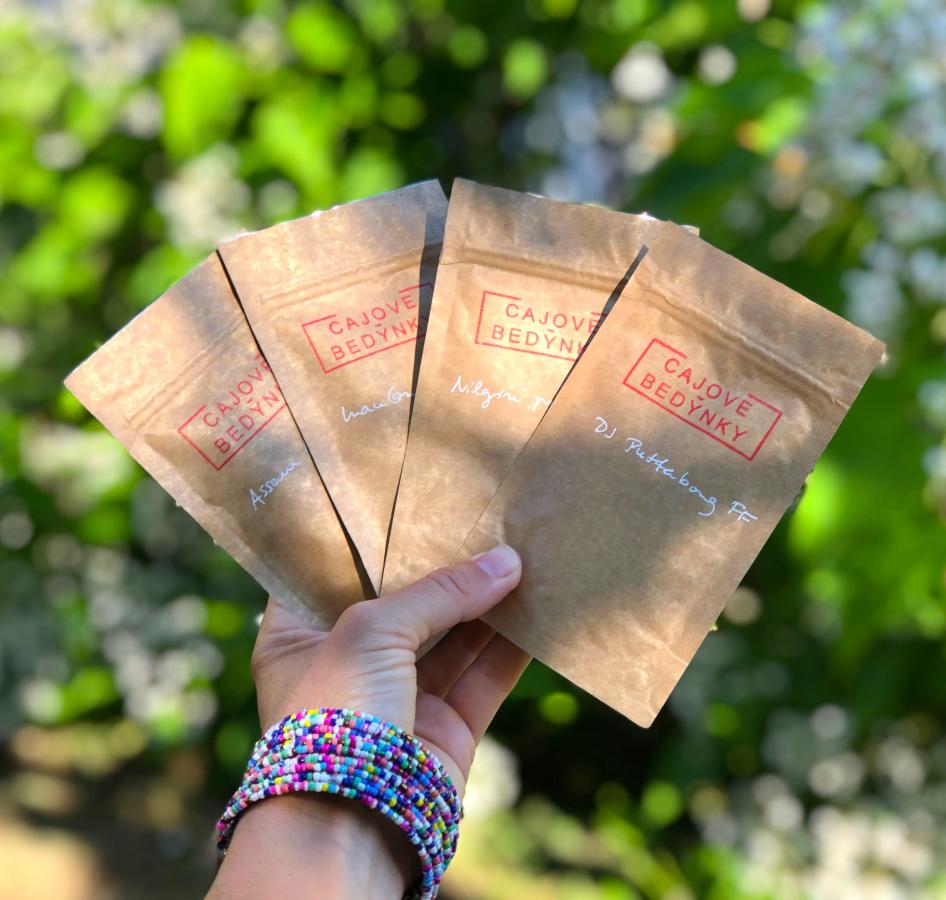
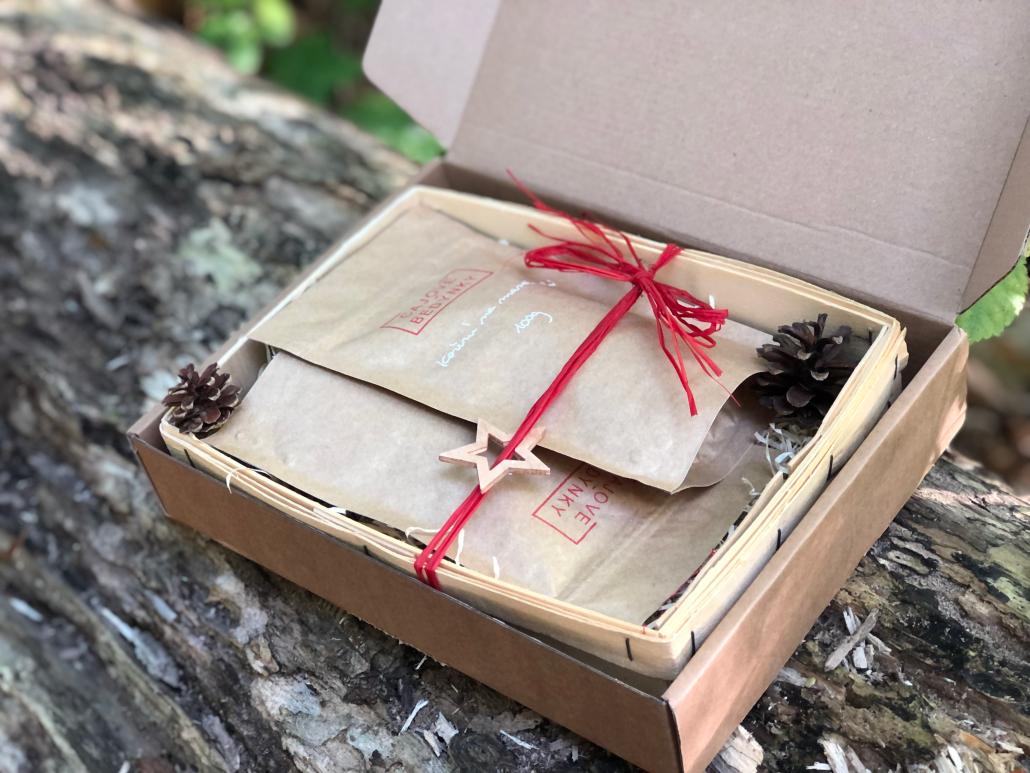
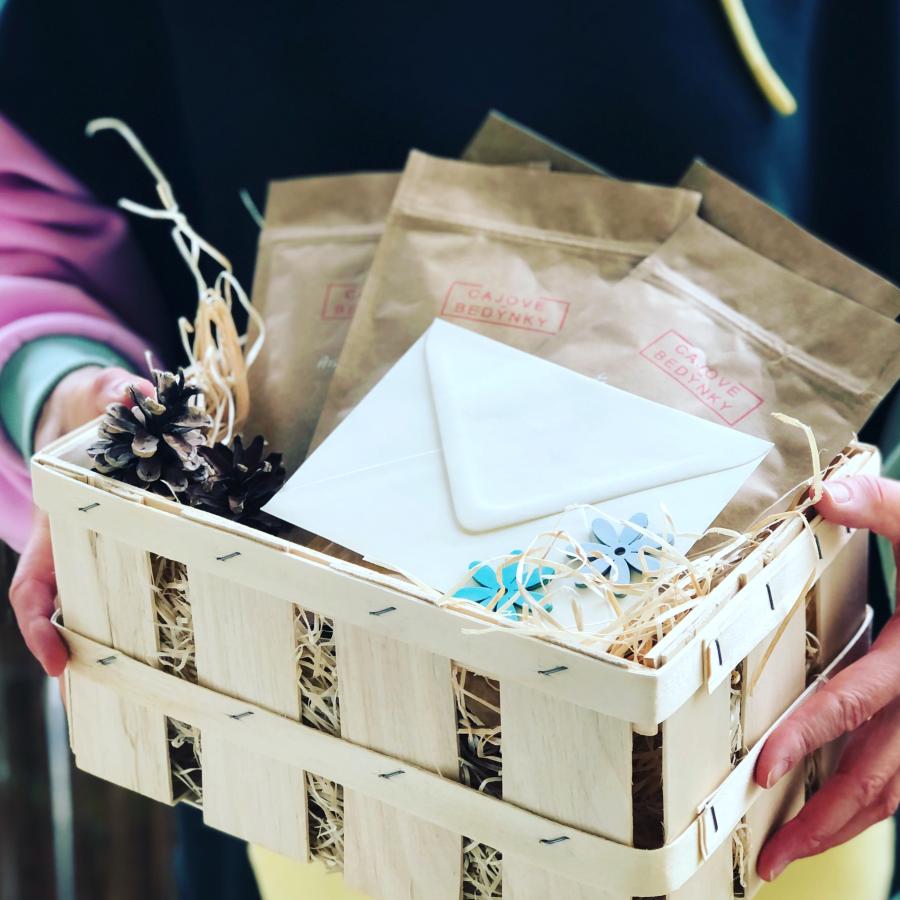
It’s no coincidence that they say packaging sells. It has to look a certain way, match the brand's communication, stand out from the competition, and also be practical. Tea Boxes have a quite minimalist design. The bags are kraft in a natural color, but to avoid looking ordinary, they have subtle golden highlights. They do not let light or air through, which is very important for maintaining tea quality, and they can be easily resealed using a "zip." According to customer reactions, they like such packaging. We hand stamp the logo and write the tea name on the bags. Tea subscriptions and some gift packages are sent in cardboard boxes with wood fiber and wooden decorations.
I also considered an "eco" version of similar bags. But the currently available ones can only prevent aromas from entering the bag about 10% compared to the bags we use. Moreover, during significant transitions from cold to warmth, condensation occurs, and this moisture will be absorbed by the bag without an aluminum layer, and then a pu erh (repeatedly fermented tea) would form with each tea.
What I also consider are the fillers of the packages. To ensure that the tea leaves do not break on the way to the customer, if the package is not full, it needs to be supplemented. I considered buying something "representative," but my "eco spirit" won here, and even though I know it slightly detracts from the luxurious impression, we use anything clean that is at hand as fillers. That is, fillers from other packages that come to me or my neighbors, cut and folded parts of used cardboard packaging, even Christmas paper from unwrapped gifts... Now I’m talking about when a customer orders just the teas, not gift packages. For those, we use wood fiber or paper shavings.
Who is your typical customer – do people buy more for themselves or as gifts?
Most of the year (except for the pre-Christmas period), people mainly buy for themselves, except for gift packages. Logically, one doesn't buy those for themselves. The subscription for Tea Boxes is about half and half. Occasionally, something for cafes. In the autumn, there are many customers from companies for whom we make corporate gifts in the form of tea packages and teas with custom printing. Their logo is hand-stamped on all the bags, so they remind their business partners or colleagues every morning. Companies also greatly appreciate that it’s a product packaged by people with disabilities thanks to cooperation with the social enterprise Naturpark 12. We even made tea packages for the Chamber of Deputies during the last government.
Do you perceive tea as a part of a lifestyle and a home ritual?
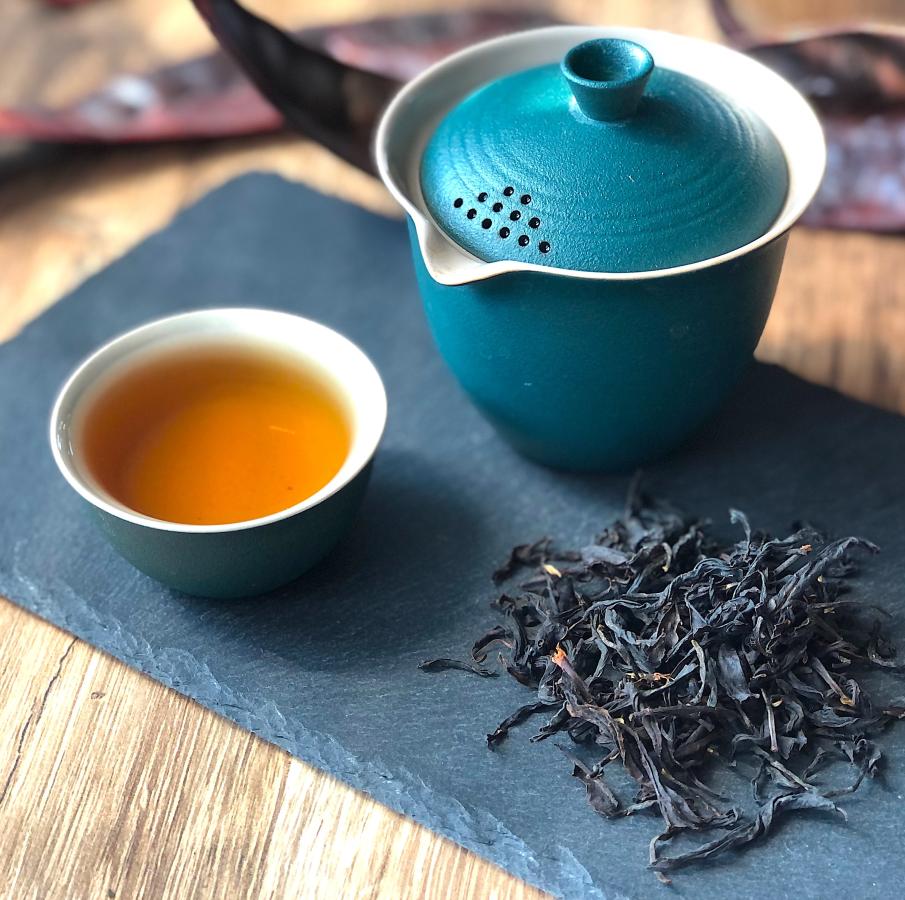
Definitely for many people. I probably am not the right type for rituals; sometimes I’m a bit rushed, and I’m learning to slow down (and I need it like salt!). So if I make myself some really luxurious tea, I take my time and enjoy it nicely, trying (almost) not to think about anything and just enjoy the peace and flavor of the tea. But I don’t specifically perform a Gong fu cha tea ceremony or anything else, even though I have all the necessary utensils for it. I mostly do practical steps that lead to me enjoying the tea to the fullest. That is, I warm the gaiwan (a teacup with a lid for tea preparation) with hot water, and when I put the tea leaves in, I cover it, wait a bit, and the leaves beautifully release their aroma thanks to the warmed gaiwan. Then I take a sniff and pour it, enjoying it. For teas that require it, I also briefly rinse them. Otherwise, I don’t use a tea sea or take further steps like pouring tea talismans for luck, etc. I must admit that even those quicker moments when I make my favorite tea in a 3-deciliter Ikea glass and drink it at the computer are quite frequent.
What trends are you currently observing in the field of tea and healthy lifestyle?
I perceive that many people are starting to switch from coffee to tea or other caffeine alternatives. Because tea also contains caffeine, but it comes on slower and leaves more slowly as well. So it stimulates without causing the shocks that coffee does. In any case, I think Czechs are the world champions in jumping on trends. Companies know this and take advantage of it, and I sometimes watch what they dare to claim in advertisements. Something like legislation related to health claims clearly doesn’t mean anything to them. The trend of superfoods is a chapter in itself. This is, of course, mainly a way to extract a bundle from people. You can't suddenly sell regular lentils for two hundred when it has cost twenty all your life. So some Indian "lentils" with similar nutritional properties are brought in, made into a superfood, and suddenly two hundred for lentils is okay. From Georgia, for example, I have tea from wild blueberries. It contains a lot of antioxidants, and they made it into a miraculous superfood. So I saw it on one online shop for 1,200 CZK for 50 g on sale!!! I couldn’t believe my eyes. I, the "fool," sell it for about 150 CZK. People have (or want to have) the feeling that these superfoods will save them, even if they otherwise live like pigs, driving everywhere by car, stressing at work... This miracle will obviously never happen without all the other factors.
An unmistakable trend currently is matcha. I’ve found that many people drink it simply because it’s trendy and believe in its "miraculous" effects, even though they don’t like the taste at all. Unless they add coconut milk and pineapple juice or banana with cocoa to it. Cheaper matcha, in my opinion, cannot be drunk without flavoring. It’s just not good. Personally, I only enjoy the better models, which are referred to as ceremonial, and for those, you have to pay quite a bit. Then it’s a delicacy. Matcha is "more efficient" than other green teas because everything dissolves into the brew, as it dissolves. Whereas in "classic" green tea, those substances steep gradually and never completely. Tea plants for matcha are additionally shaded shortly before harvest, which increases the content of various beneficial substances. But it’s not the only one. For example, Japanese green teas Gyokuro or Kabuse are also shaded. I saw the shading of tea plants for the production of green tea last year in Vietnam. If someone doesn’t want to invest in "expensive" matcha, wants to enjoy, and wants to consume 100% of all the good from tea leaves, it can be resolved by buying Japanese green tea Gyokuro or Kabuse or another shaded green tea, enjoying the tea, and after steeping, adding the leaves to soup or other dishes and eating them. And even if they only stay with steeping, they won’t lose much in benefits.
Where do you want to take the Tea Boxes brand in the coming years?
I don’t have any specific long-term plans. For me, the most important thing is to do it in a way that I enjoy and that sustains me, and that it doesn’t get out of hand. I want to sell and bring interesting good teas, have satisfied customers, and share with them the tea know-how that I gather on my travels. Whether through articles on the Tea Boxes shop or videos on the Tea Boxes YouTube channel. And of course! To allow my project to continue enabling me to travel and surf more than 5 weeks a year :)