
There are many myths circulating around hiking boots. It is often believed that hiking footwear should be cushioned, sturdy, waterproof, with ample ankle support, and a robust thick sole. However, the reality is different.
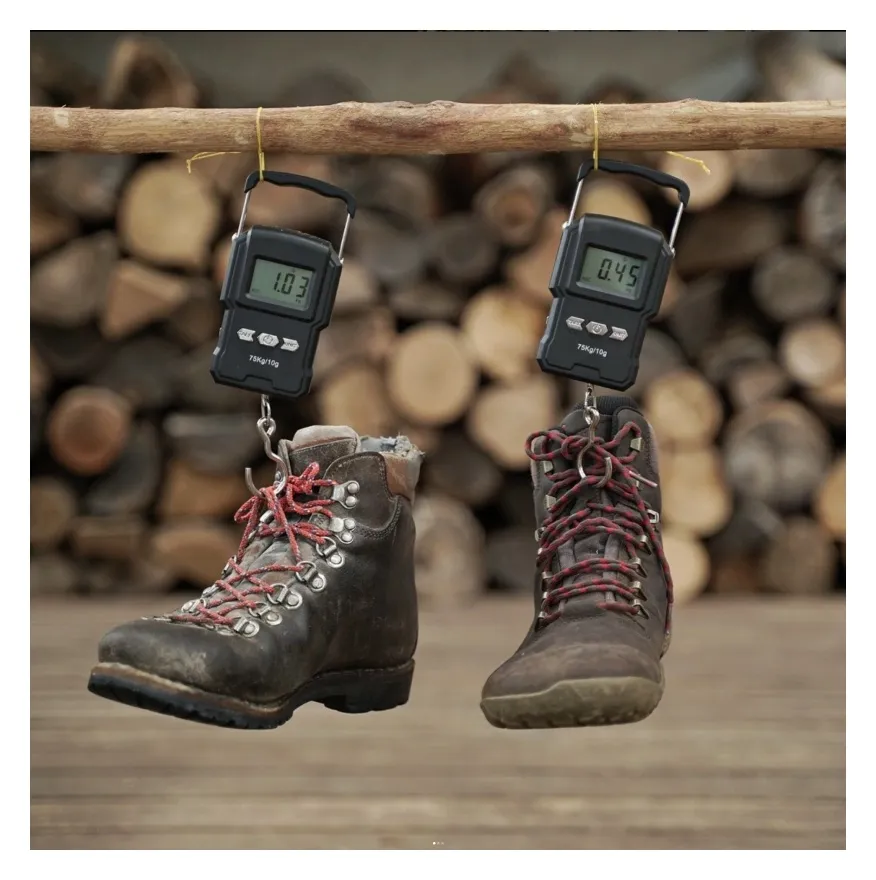
1 kilo on the feet = 5 kilos on the back
Good outdoor footwear should be durable and serve as protection for the foot against external influences. However, this does not mean overly "stuffed". Excessive padding creates unnecessary weight, which is definitely not desirable (especially) for hiking. Greater weight means quicker fatigue and slower movement, resulting in less enjoyment of the activity and more injuries.
A better idea is illustrated by the following example: If you exchange hiking boots weighing 1.36 kg for a pair weighing 0.45 kg, you save just under one kilogram (0.91 kg) on your feet, which corresponds to 4.54 kg on your back, akin to removing a large stone from your backpack.
Proper hiking boots don't have to be rigid
Many outdoor boots are stiff, which may be great for activities like skiing, but generally causes foot pain. Moreover, truly rigid and inflexible boots are often said to need to be "broken in", which is a euphemism for "causing blisters, discomfort, fatigue, and overall ruining your feet". A much better solution is to choose outdoor boots that are comfortable from the first step. Excessive rigidity and stiffness of boots also reduce agility, mobility skills, and foot strength. This leads to lower overall stability, despite the boots themselves appearing sturdier.
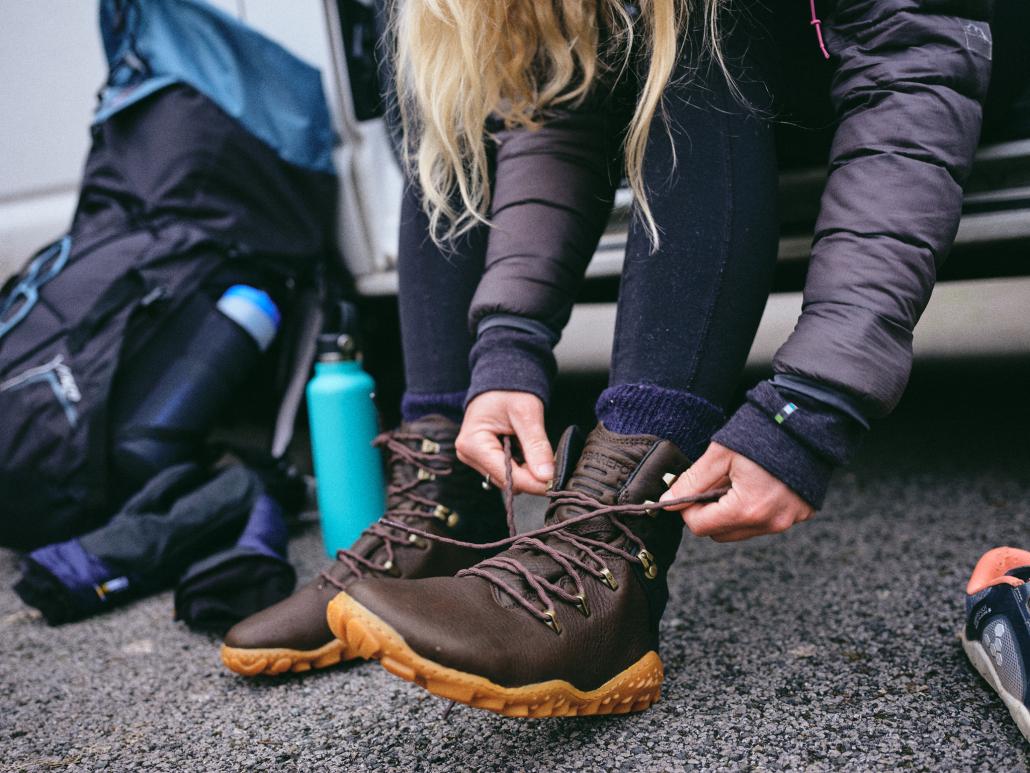
High water resistance is better for the feet than waterproofing
Many hikers wearing waterproof boots often end up with wet feet. The most likely explanation is not a failure of the membrane. Waterproof boots are less breathable, causing the feet to sweat more, and sweat (and any other unwanted moisture) evaporates less easily. Waterproof boots also take longer to dry.
Furthermore, waterproofing does not mean true waterproofing. Water usually can penetrate the upper part of the boots, and waterproofing usually weakens over time. A better solution is to choose highly water-resistant boots with high breathability, which effectively wick away any moisture during hikes.
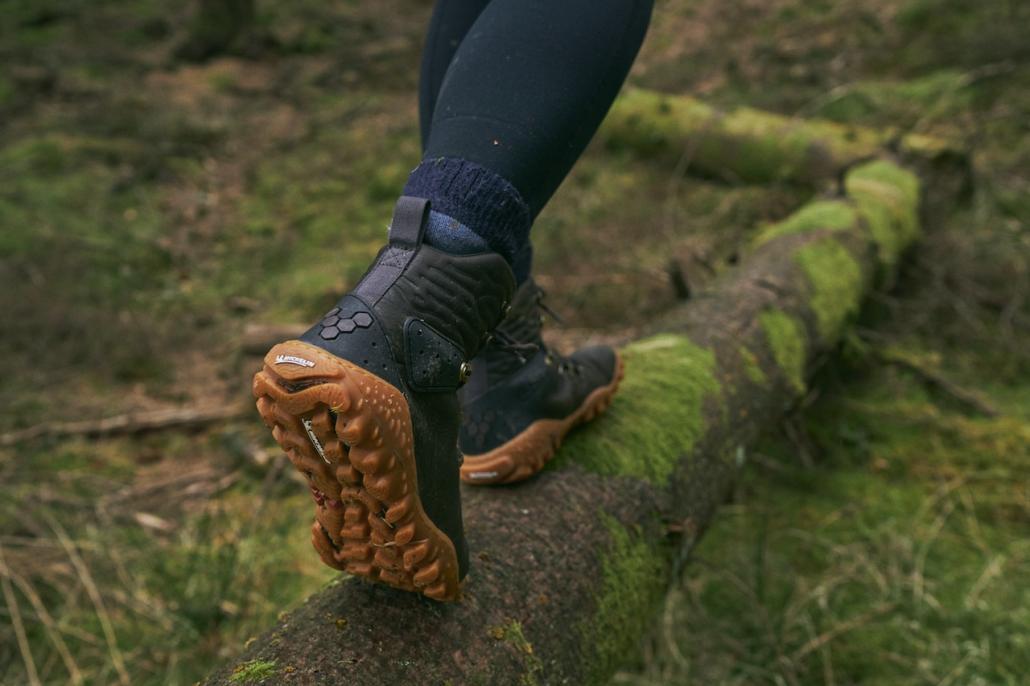
Outdoor boots don't have to be high-topped
Perhaps nothing is a greater synonym for hiking footwear than "ankle support". Fear of ankle injuries is understandably a top concern for many hikers. However, there is no clear evidence that ankle support helps. On the contrary, with high and rigid boots, ankle immobilization often occurs, hindering natural movement.
The ideal solution is to build ankle strength through exercise and regular walking in barefoot shoes, which then protect users from potential injuries. Proper outdoor boots should emphasize flexibility and mobility over excessive ankle support. Trail running shoes or outdoor sandals can serve someone well for hiking, as they offer more flexibility and natural foot movement.
Of course, high-topped boots are not always bad. Higher boots provide greater protection against rocks and debris, and greater stability can be useful if you have ankle issues. However, in this case, it is still advisable to strengthen the ankles preventively, for hiking and for everyday life.
Proper hiking boots don't need thick soles
Unless you are trekking on a thousand-kilometer nail bed, your soles need less protection than you think. Remember, we have evolved to literally walk barefoot. Prolonged wear of thick soles causes issues such as decreased foot sensitivity, increased weight, and less connection with nature. Thick soles also lead to more frequent heel strikes, which can increase the impact on knees and the upper body.
Transitioning to thin soles may initially cause more foot and arch pain than usual, but in the long run, not only your feet will appreciate it. The key is a slow, cautious transition and good foot condition. It is essential to listen to your body. Start with short walks and gradually extend the time spent in nature. Walking should always be enjoyable; do not walk through pain. Once you get used to thin-soled footwear, there is no problem going on any hike.

Barefoot shoes as a solution
As mentioned, traditional hiking boots are usually heavy, rigid, and overly restrictive to the foot. This can lead to blisters, discomfort, and ultimately ruin the overall hiking experience. Barefoot outdoor shoes work on the exact opposite principle. The main focus in their design is comfort, flexibility, and an effort to provide the most natural movement and muscle function. Barefoot shoes do not restrict the foot in any way and provide enough space, aided primarily by two elements. The first is a wide toe box, respecting the natural shape of the foot, and the second is a zero-drop between the heel and toe and the absence of arch support. This allows the foot to engage muscles, ligaments, and tendons evenly, making each step on varied terrain more secure and stable.
Tips for barefoot outdoor shoes from the VIVOBAREFOOT brand:
Comfortable hiking boots
New! VIVOBAREFOOT Magna Lite WR SG are vegan hiking boots with a terrain sole designed for forest trails and demanding mountain terrain. These elegant white women's extremely lightweight outdoor boots are made from water-repellent textile from recycled PET bottles and equipped with a knitted ankle sock that allows maximum freedom and flexibility of movement. The edge binding and lamination ensure strength and resistance to external influences and dirt. In addition to this innovative version, they are available in other colors in women's and men's sizes.

The recommended price of VIVOBAREFOOT Magna Lite WR SG is 5,190 CZK, for more information visit www.vivobarefoot.cz.
Not just for mountains and wilderness
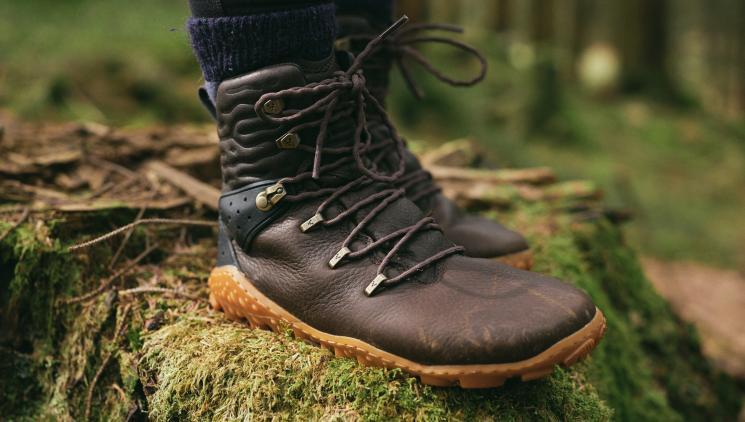
The trekking shoe VIVOBAREFOOT Magna Forest ESC guarantees maximum comfort and convenience for your feet, whether you are heading to the forest, desert, or mountains. The highest quality leather combined with a newly designed, durable yet perfectly flexible Michelin sole allows exploration of any terrain from dawn to dusk. With a Woolmark wool knit collar, the shoes are easy to put on, fit well, and provide natural freedom of movement.
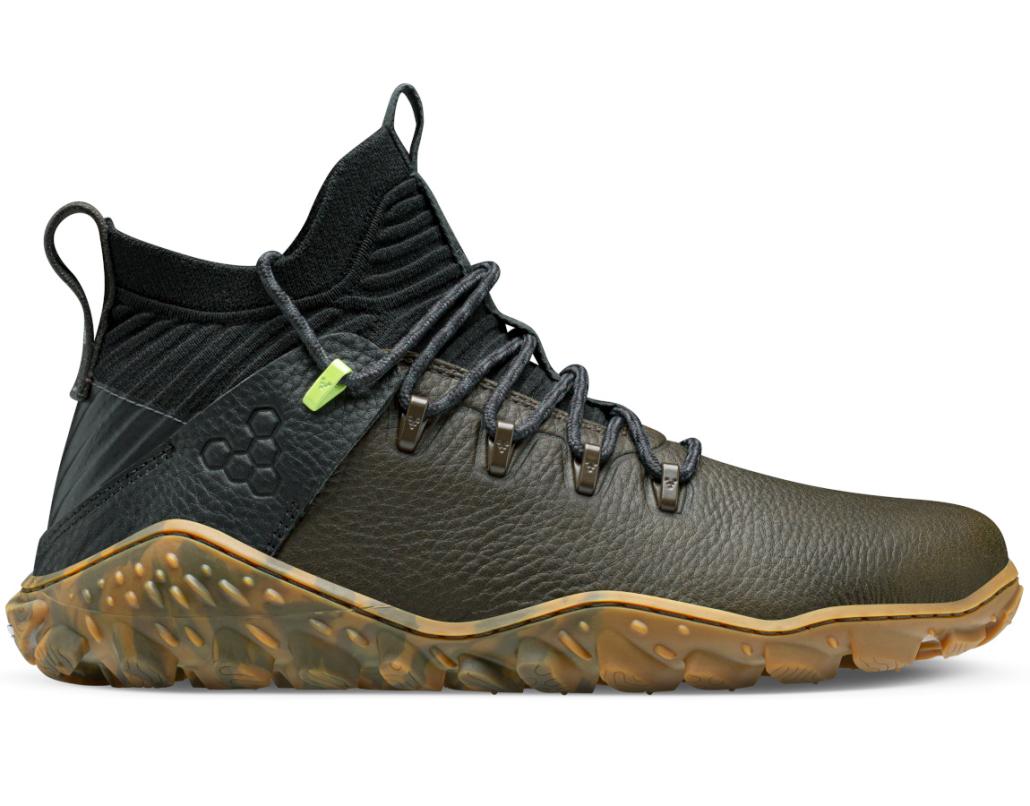
The recommended price of VIVOBAREFOOT Magna Forest ESC is 5,890 CZK, for more information visit www.vivobarefoot.cz.
Sandals for every terrain
New! VIVOBAREFOOT Tracker Sandal is the ideal choice for all hiking enthusiasts. These lightweight, quick-drying unisex sandals with adjustable straps and a dry zip are made from vegan materials. With their multi-terrain sole specially designed for perfect grip and traction, they keep your step secure on any trail while providing a barefoot-like walking experience, no matter where you go. Available in beige and black in women's and men's versions.

The recommended price of VIVOBAREFOOT Tracker Sandal is 3,690 CZK, for more information visit www.vivobarefoot.cz
The most comfortable outdoor shoes
VIVOBAREFOOT Tracker Forest ESC is a popular model of leather boots with rubber elements. The sole, designed in collaboration with Michelin, is highly